
This is a real brief history. I won’t bore you with all the details so I’ll leave a some links for further reading.
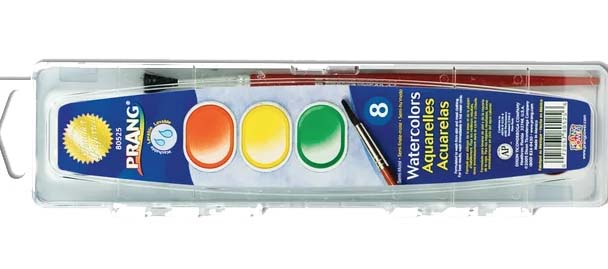
You may or may not be familiar with Prang or Prang products. And you may be thinking what does this have to do with greeting cards. It was Louis Prang, born on March 12, 1824 in Prussian Silesia who was the son of Jonas Louis Prang, a Huguenot textile manufacturer. He was the apprentice to his father and learned engraving, printing and calico dyeing.
In Paris, during the mid 1800’s, Prang met and fell in love with his wife Rosa Gerber, a beautiful Swiss woman bound for Ohio where they started a family and had one daughter. In 1851 he and Rosa were living in Boston where he began to work for an engraver Frank Leslie. Later in 1856, Rosa encouraged him go out on his own and works with a partner creating lithographs of buildings and towns in Massachusetts.
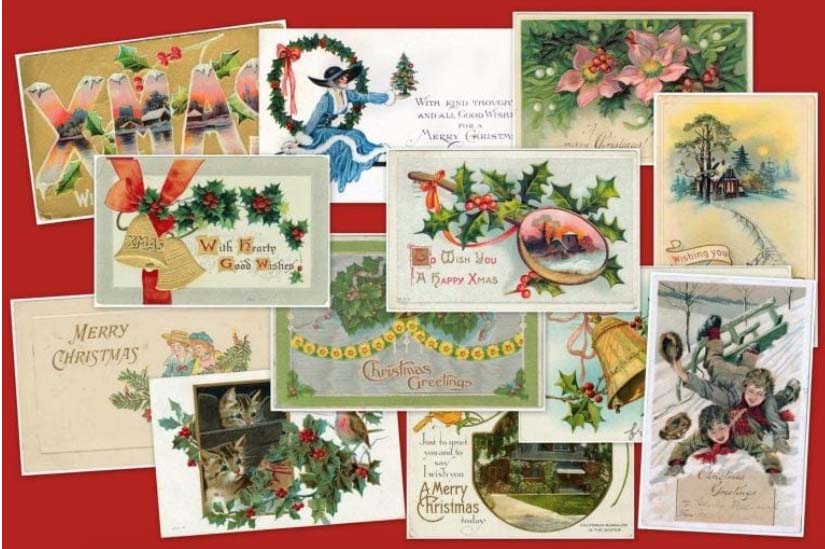
Louis Prang sometimes known as “The Father of The American Christmas Card” was an award-winning Boston lithographer/inventor who, in 1873, reproduced a holiday card autographed by Christmas Carol author, Charles Dickens. Louis Prang printed his first Christmas cards in 1875 and brought them to London. The Christmas cards were a big success. The following year, he sold them in the Northeast of the US . It still took two more years before he had the corner market in the United States. By the late 1800’s, he printed more than 5 million Christmas cards a year.
I was today old when I learned Louis Prang was the Prang behind Prang products. I mean I didn’t know Prang was an actual person, not just a product. Though he still produced greeting cards and occasionally gave tours in his Prang Lithographic Factory in Roxbury he contributed to art education. So in 1875 took a step into art education where he found his true passion. It was as a public service he manufactured art materials and supplies.
Prang closed his lithographic factory in 1897 in Roxbury. He merged his company, The Louis Prang Company with the Taber Art Co. of New Bedford. He continued to produce and still produces high-quality work and made child-safe art materials. Those famous Ticonderoga pencils also known as Dixon Ticonderoga, purchased the right to his art materials in 1909. (At the time of this merger, Ticonderoga was known as the American Crayon Company). Louis Prang later died in 1909. Who knew?
For Further reading:
 The Kedge Anchor
You must be logged in to post a comment.